














Stainless steel hand wash sink reduces contamination, establishes strict hygiene protocols, and supports compliance, productivity, and safety. Access is critical because it aligns human behaviour with safety requirements. Encouraging frequent, timely use decreases the spread of contaminants across surfaces and zones. It also allows staff to follow established procedures, ensuring optimal hygiene and safety in complex, busy environments. The hand cleaning system must integrate smoothly with workflow to maintain efficiency and support daily operations. Accessible hand hygiene stations reduce the time required to maintain hygiene without compromising quality.
Industrial hand wash basins ensure consistent behaviour, making training and supervision easier. The best material for these basins is stainless steel. This material is chemically stable, thermally resilient, durable, hygienic, and corrosion-resistant. By focusing on durability, compliance, and user-friendly design, facilities can achieve long-term cleanliness and operational confidence.

Hand Hygiene Stations Must Be Accessible
Stainless steel hand wash sink is an essential piece of infrastructure in industrial environments. Proper cleanliness practices enhance productivity, improve operational efficiency, and extend the lifespan of machinery. To achieve these outcomes, wash systems must be accessible. If a solution cannot be used comfortably, reached easily, or operated safely, it fails to meet its purpose. In factories or laboratories, accessibility is not an added feature. It directly affects operational reliability, safety, and compliance.
Industrial facilities are exposed to a broad range of contaminants, including oils, dust, biological agents, hazardous chemicals, bacteria, viruses, and microorganisms. Proper hand washing interrupts transmission pathways and ensures contamination does not occur. Industrial hand wash basins are usually located at entrances and exits for better accessibility. Designated hygiene zones protect personnel from health risks, including exposure to hazardous pathogens or substances. Accessible wash systems prevent cross-contamination, support safe workflow, improve productivity, and protect vulnerable areas.
Stainless Steel Is the Best Material for Industrial Hand Wash Basins
Hand hygiene stations made of stainless steel are durable, reliable, and hygienic. Equipment must perform under conditions that exceed domestic or commercial use. With high usage and no tolerance for downtime, the material must withstand thermal changes, strict cleaning regimes, repeated impacts, and moisture. Stainless steel is the best material for the job. Its structural integrity and impact resistance reduce failures and safety hazards.
Many materials degrade over time when exposed to moisture, especially when combined with disinfectants. Stainless steel resists corrosion, moisture, and chemical exposure, ensuring the durability of a stainless steel hand wash sink in industries such as pharmaceutical manufacturing. Chemical stability protects both personnel and processes by supporting strict contamination control. The material guarantees hygiene through its characteristics, including smoothness, a non-porous surface, and resistance to microbial adhesion. It also tolerates steam sanitation and high-temperature cleaning.
Strategic Sink Positioning Improves Workflow in Industrial Facilities
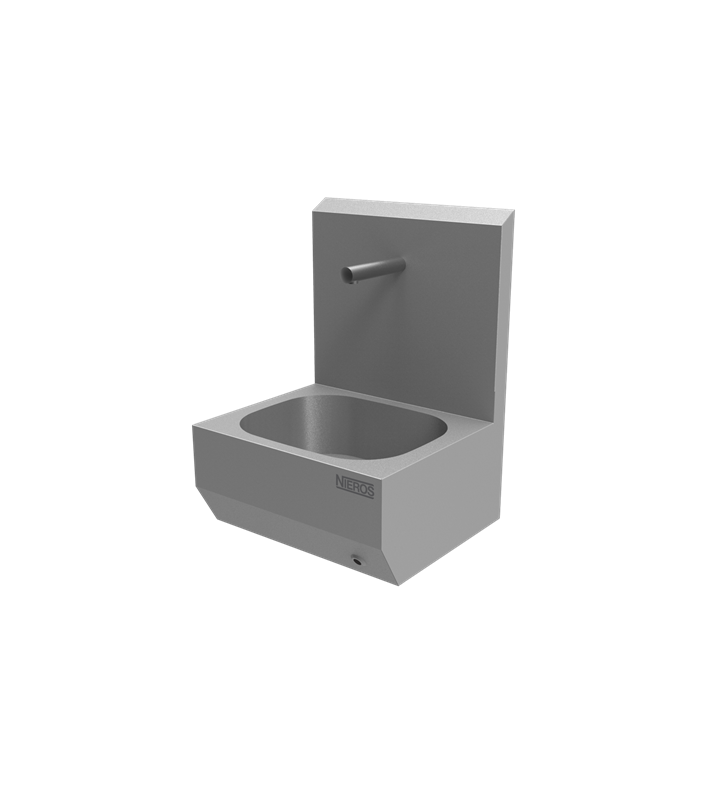
Stainless steel hand wash sink must be positioned correctly to ensure hygiene compliance, operational efficiency, and optimal productivity. The sink plays a pivotal role in task sequencing, time allocation, movement patterns, and contamination control. Workflow in industrial settings relies on predictability, repetition, and controlled variability. Hand washing solutions should be positioned according to procedures, allowing companies to lower contamination risk, enhance workforce ergonomics, and increase throughput.
Strategic positioning enables linear task progression and uninterrupted workflow. When installed at entry and exit points, it guarantees seamless integration of soaping, rinsing, sanitising, and drying. This ensures a controlled transition between sterile and controlled zones. Maintaining boundaries is necessary for regulatory compliance, rigorous protocols, and lean manufacturing principles, which focus on improving flow, eliminating waste, and creating value through design. Properly positioned sinks decrease waste while strengthening overall system effectiveness.
Why Every Industrial Facility Needs Hand Hygiene Stations
Industrial hand wash basins are essential in settings under constant pressure to maintain cleanliness. Contamination in such environments leads to production delays, compliance violations, and financial losses, which is why companies invest in high-quality hand washing systems. Structured hygiene removes barriers to compliance, prevents workflow interruptions, and shapes personnel behaviour. Through thorough cleaning with soap, rinsing, and sanitising, businesses establish strict safety protocols for personnel.
A stainless steel hand wash sink in a hygiene zone supports seamless operations and ensures final product integrity. This results in long-term cost efficiency, with benefits appearing through higher output, reduced sick leave, and fewer incidents. The sanitation system is the primary interface between people, equipment, and products.

Industrial Hand Wash Basins Are Designed for Harsh Environments
A stainless steel hand wash sink is designed with environmental stressors in mind, with every component chosen for durability. The sink’s physical structure remains stable under frequent use, and the system guides personnel through the correct steps to prevent misuse. Ergonomic and user-focused design allows complete customisation, and some features are height-adjustable. Touch-free design limits cross-contamination, and smooth surfaces prevent microbial growth.
Effective hand hygiene stations feature sinks engineered for heavy use and strict hygiene requirements. Smart design choices enhance performance, lower maintenance requirements, and support compliance with standards. By prioritising quality and functionality, businesses can maintain clean, safe, and professional workspaces supported by industrial hand wash solutions.