


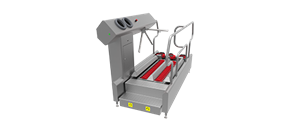












Hand wash stations should be effective, safe, and eco-friendly. When properly engineered and installed, they play a crucial role in a hygiene strategy, provide consistency, and help companies meet sustainability goals. Choosing this mandatory component of a high-quality industrial system requires careful consideration. The system must support facility objectives, meet compliance requirements, complement workflow, and remain reliable.
An automatic hand wash dispenser is pivotal for long-term success. It minimises surface areas and eliminates dead zones where contaminants can accumulate, preventing cross-contamination and saving time.

Automatic Hand Wash Dispenser Is Important for Industrial Hygiene Strategy
Automatic hand wash dispenser is essential in any industrial facility. It protects against contamination, promotes safety, and supports compliance. Dispensers with disinfectant are designed to eliminate harmful microorganisms. Microbial contamination can endanger staff, affect materials, and compromise product integrity if hygiene practices are insufficient.
Microbial growth can impair sensitive machinery and create hazardous working conditions affecting both staff and consumers. Pathogens multiply rapidly and may be transmitted through contaminated products. Implementing hand wash stations with validated antimicrobial activity prevents bacteria from spreading. Investing in high-quality cleaning reduces waste, averts recalls, and ensures continuous operation.
How to Choose the Best Hand Cleaning Solution for Your Facility
Hand wash stations are a non-negotiable standard influencing regulatory compliance, product integrity, personnel safety, and operational efficiency. The best solution integrates seamlessly into procedures while enhancing hygiene, improving compliance, and decreasing downtime. Selecting the right equipment requires understanding the hygiene risk profile, which varies by industry. Once assessed, technology should match compliance requirements. Strict hand sanitation standards, including wash duration, soap application, and drying methods, are mandated by national and international agencies.
Installing a technologically advanced automatic hand wash dispenser enhances daily operations without disruptions. Hand washing stations come in a broad range of designs with features tailored to hygiene risks and operational complexity. Durable solutions should be made of premium stainless steel, which resists corrosion, prevents water accumulation, and limits bacterial growth.

Hygienic Design Drives Industrial Success
Hand wash stations with hygienic design prevent chemical, microbial, and physical contamination. Equipment must eliminate places where pathogens can hide, grow, or be transferred. In highly regulated industries, poorly planned equipment can lead to bacterial buildup and increase the risk of health or quality incidents.
Hygienic design ensures legal compliance while reducing contamination risks. Minimising microbial growth supports adherence to standards such as HACCP, IFS, and NSF, reduces downtime, prevents failures, guarantees equipment longevity, improves safety, and boosts worker morale. A hand cleaning solution built around hygiene features seamless welds, rounded edges, surfaces resistant to bacterial adhesion, and minimal contact points with no sharp corners.
Automatic Hand Wash Dispenser Is Just One Time-Saving Feature of the System
Hand cleaning solution guarantees contamination control while supporting efficient operations. Time savings accumulate through smoother workflow, decreased task duration, predictability, and accessibility, making daily hygiene routines more consistent and reliable. One of the most important features is touch-free activation. Sensors control and reduce the steps required to complete hygiene actions, helping personnel maintain proper procedures with minimal effort and reducing the chance of errors or missed steps.
Integrated dispensing systems deliver soap, disinfectant, and sanitiser accurately, ensuring the right amount is used every time. Guiding personnel through each step helps to maintain a thorough and consistent handwashing process, supporting both safety and operational standards.
Ergonomic design further reduces physical strain, allowing staff to perform repeated tasks comfortably throughout long shifts. The height-adjustable, user-friendly design of hand wash stations minimises fatigue, supports correct posture, and enables sustained operational efficiency even in high-traffic, demanding environments. The combination of automation and thoughtful design ensures that hygiene routines are effective, smooth, and seamlessly integrated into daily workflows.

Ergonomic Design Principles for Hand Cleaning Solution Compliance
Hand wash stations work best when placement and usability are carefully optimised. Ergonomic design integrates seamlessly into daily tasks, easing strain, supporting correct posture, and encouraging regular use without disrupting workflow. Key design principles ensure that station features align with personnel’s cognitive, physical, and operational capabilities, allowing staff to perform hygiene tasks efficiently, safely, and consistently. Height-adjustability improves mobility and reach, accommodating a diverse workforce, while intuitive sensor controls guide staff through effective handwashing with minimal effort, ensuring every step is completed correctly.
Engineers also take into account basin size and depth, the placement of soap and sanitiser, water flow efficiency, temperature control, and overall accessibility. These details collectively make handwashing easier, faster, and more thorough, helping staff maintain hygiene standards even during busy production periods. A well-planned hand cleaning solution ensures personnel can follow hygiene protocols reliably without interrupting workflow or production schedules. Hands-free taps, optimised water flow, and conveniently positioned soap and drying options support consistent compliance, protect worker health, and maintain product quality.
By integrating equipment thoughtfully into high-traffic areas and key workflow points, facilities can uphold rigorous hygiene standards, prevent cross-contamination, and reinforce a strong culture of workplace safety. Thoughtful ergonomic design not only improves operational efficiency but also promotes comfort and reduces fatigue, enabling staff to maintain high-quality hygiene practices consistently throughout long shifts.