


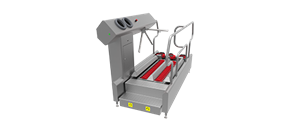


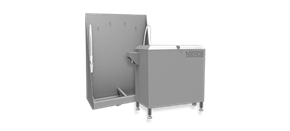

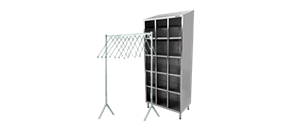
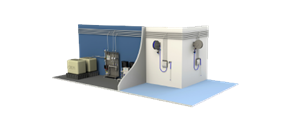
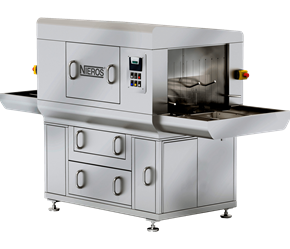




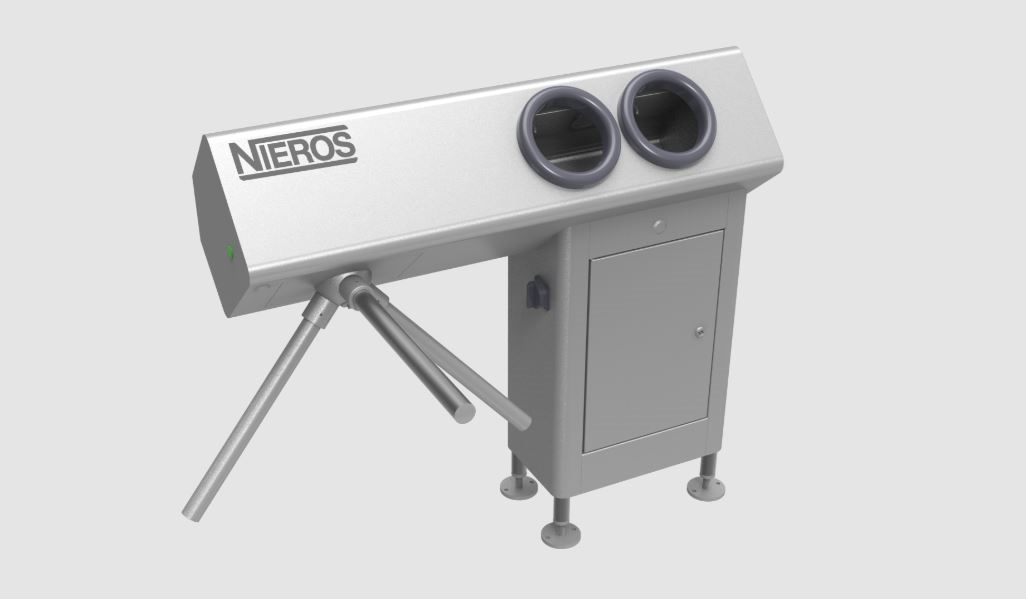
Hand wash system influences productivity, operational costs over time, and compliance. It is made from high-quality stainless steel, providing superior corrosion resistance while withstanding harsh cleaning chemicals and high temperatures. It is often integrated with an industrial sink, personal card readers, and a centralized chemical supply.
Its thoughtful design, combined with ergonomic optimisation and automation, enhances both productivity and personnel well-being. At NIEROS®, we provide our clients with a durable hand washing station that meets regulatory standards and is energy efficient.

How to Position a Hand Washing Station for Best Workflow
Hand wash system determines hygiene compliance, personnel safety, and workflow. If positioned correctly, it increases productivity, establishes rigorous hygiene protocols, and prevents bottlenecks. When installing the equipment, it is crucial to understand the workflow. A procedure flow allows management to determine entry and exit points, transitions between zones, and visualise movement patterns.
When implementing a sanitation solution such as an industrial sink, it is vital to minimize travel distance, as this helps improve compliance. Incorrect placement creates congestion during peak times, affecting overall throughput. It is paramount that the equipment aligns with task frequency and integrates with other already-used machinery. It should also be visible, have an ergonomic design, and be easy to maintain.
Choosing Between Single and Multi-Washing Place Industrial Sink
Hand washing station can include a single or multiple washing places, depending on the layout. The single washing unit is designed for one person at a time and is ideal for smaller production areas. A multi-user basin lets several people disinfect simultaneously. Which one to select largely depends on layout design and spatial effectiveness. In an industrial setting, each square metre has operational value, so it is important to choose a solution that integrates seamlessly into the space and workflow. That depends on how easily staff can access sanitation systems without disrupting production.
The difference between single and multiple washing places becomes more visible during high-tempo spans. Both designs integrate into a hand wash system that complies with strict standards in sectors such as pharmaceutical and food processing. When making a selection, it is essential to consider ergonomics and user experience, as comfort and usability influence effectiveness and compliance. The machinery is selected according to staff size, density, the nature of procedures, hygiene risk levels, budget constraints, available space, and regulatory requirements.

Customizing Hand Hygiene Solutions for Facility-Specific Needs
Hand wash system is customised to fit the facility and its operations. Maintaining hygiene to ensure regulatory compliance is critical for production and manufacturing plants, as it helps them avoid costly fines or shutdowns. In such environments, customisation is not a luxury feature but a necessity. Tailor-made solutions are aligned with specific workflow requirements and seamlessly integrate into daily operations. They do not cause disruption or inefficiency because they are engineered around actual movement patterns.
Industrial sectors have varying hygiene requirements. Customisation guarantees that disinfecting systems meet those particular requirements. These can include materials, design features, or finishes. By tailor-engineering equipment, businesses can utilize spatial constraints to their maximum advantage. It also enables them to create ergonomic designs that guide personnel through the hygiene protocols, ensuring safe and comfortable use.
Integrating Card Readers and Centralised Chemical Supply with a Hand Washing Station
Industrial sink is not enough in modern industrial environments. The increasing demand for more technologically advanced solutions has led us to integrate personal card readers and connect equipment to a centralised chemical supply. Integrating hand disinfection with personal card readers enables high-performance environments to authenticate each staff member before they use a hand cleaning station. Monitored usage encourages consistent, adequate hand hygiene practices without disrupting workflow. That also enables businesses to enforce procedural requirements, reducing the likelihood of cross-contamination.
A centralized chemical supply ensures that the correct chemical type and dosage are delivered automatically to each system. Hand hygiene relies on sanitisers, detergents, and other special disinfectants, which means traditional methods can create a risk of inconsistent doses or incorrect chemical use. A hand wash system ensures every wash meets regulatory and operational standards, and that personnel clean their hands in rapid succession with precise dosing while maintaining hygiene effectiveness.

Industrial Sink Should Be Part of a Modular Solution
Hand washing station is modular, as reliability, safety, and regulatory compliance depend on components that can be scaled, relocated, and maintained with minimal disruption. Production and manufacturing areas are rarely static. Modular equipment enhances flexibility, allowing the company a chance to make quick changes when needed. It also prevents costly downtime without compromising safety, improves resource management, and supports sustainability. At NIEROS®, we offer our clients water-efficient designs that reduce consumption and lower operational costs.
In industrial settings, a hand wash system provides a practical and lasting hygiene solution. Its robust design, adaptability, and compliance-friendly features ensure both safety and efficiency. Investing in these stations supports long-term operational continuity and promotes a healthier workplace.