









A hand sanitizer station is a necessary equipment at the entry and exit points of any industrial production facility. As personnel enter, they can carry particles, microbes, and residues that pose a constant contamination risk. In many production lines, such exposure can compromise operational reliability. Since movement is a defining characteristic of industrial settings, facilities must carefully choose and position the station to ensure maximum effectiveness.
Human hands and shoe soles are among the most common carriers of harmful microbes, pathogens, bacteria, fungi, and viruses. Without a sanitizing machine, these organisms can be transferred to tools, machinery, communal surfaces, raw materials, and packaging. Automated equipment placed at the entry and exit points helps reduce potential microbial load and contribute operational stability.
An effective industrial sanitizer prevents external contaminants from entering sterile zones, reducing the risk of recalls, product damage, legal liability, and financial loss. Automated systems guide personnel through the correct sanitizing procedure, eliminating inconsistencies, minimizing misuse, and ensuring high levels of reliability and precision.

Industrial Sanitizer at Access Points Leads to Better Hygiene
A sanitizing machine is essential for maintaining hygiene at facility entry and exit points. These access areas act as controlled gateways, allowing personnel to enter production zones only when hygiene standards and regulations are met. By doing so, they prevent contaminants from entering sensitive, sterile environments.
Industries such as pharmaceuticals, food and beverage, chemicals, and biotechnology operate under particularly strict hygiene standards. In these settings, the industrial sanitizer acts as a protective barrier, separating the uncontrolled external environment from controlled internal areas. The system guides personnel through a step-by-step process to reduce contamination until the required hygiene level is achieved.
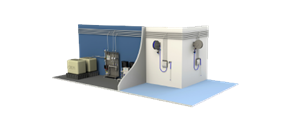
Before implementing a hand sanitizer station, it's important to define the hygiene level your operation requires. These requirements determine the complexity of the entry system. A well-designed layout should create a seamless transition between uncontrolled and controlled zones, enforcing a clear and effective sanitation sequence. This includes steps such as soaping, washing, sanitizing, and drying. The equipment can be fully customized to suit the specific needs of your facility and is capable of handling peak traffic without causing congestion.
Cost-Effective and Quick-to-Set-Up Sanitizing Machine
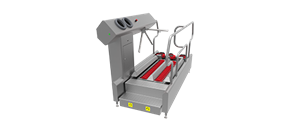
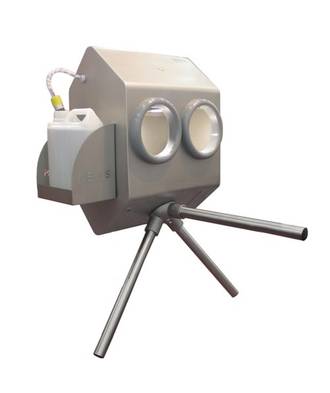
A hand sanitizer station is a reliable solution for ensuring optimal hand disinfection in industrial environments. It is designed to guide personnel through the proper sanitizing process, minimizing the risk of insufficient hand cleaning. A well-structured procedure begins with soaping, followed by thorough rinsing and final disinfection. The station directs staff through each step in sequence, ensuring none are skipped. Turnstile-controlled access further guarantees proper hygiene before allowing entry into sterile zones.
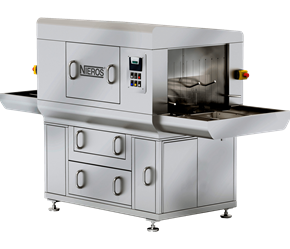
At NIEROS®, we offer a wide range of hand disinfecting solutions, including washbasins, washing accessories, and dryers. Every hand sanitizer station is designed and manufactured in-house, allowing us to maintain the highest quality standards. Because every facility has unique needs, we also provide customized solutions tailored to industry-specific requirements and spatial constraints. Our height-adjustable equipment can be self-standing, floor-mounted, or wall-mounted, ensuring flexibility and fast installation.
Industrial Sanitizer for Optimal Hand Hygiene
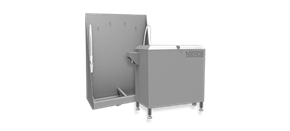
Every sanitizing machine produced by NIEROS® meets hygiene standards such as HACCP, IFS, and NSF, with additional certifications available upon request. It can function as either a hand-washing or hand-sanitizing unit, or offer both in one integrated system. Designed for swift and simple disinfection, the machines are available in multiple models to suit different operational needs.
- HS D – Sanitizer dispenser
- HS S – Soap dispenser
- HS W – Soap dispenser with hand-washing function
- HS WD – Combined sanitizer and soap dispenser with hand-washing function
Each unit features a built-in locker for hand-cleaning agent containers and an illuminated sanitization chamber with protective rubber edges. Known for their hygienic design, these machines have smooth surface finishes for easy cleaning and maintenance.
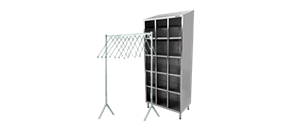
The appliances are manufactured from high-quality stainless steel, including DIN 1.4571 (AISI 316L), DIN 1.4404 (AISI 316Ti), or custom options upon request. Turnstiles are made entirely from stainless steel DIN 1.4301 (AISI 304) for durability and hygiene. A hand sanitizer station with a sterilizer can be adapted to various electrical systems and offers a wide selection of add-on components, allowing full customization of the base model.

A Fully Comprehensive Sanitizing Machine by NIEROS®
A hand sanitizer station is an advanced hygiene solution that integrates multiple units and stainless steel accessories to improve cleanliness and reduce contamination risks. It is essential in any production area, serving as both a preventive measure and a clear demonstration of compliance with regulated hygiene standards. This type of equipment plays a vital role in shaping workplace culture by supporting hygienic practices and enabling smooth personnel flow through entry points without compromising sterile zones.
The investment required to implement such a solution is minimal when compared to the potential financial losses caused by production bottlenecks, product recalls, or contamination. An automated industrial sanitizer significantly lowers these risks, offering ongoing protection at a low operational cost.
Proper installation is critical and should be based on a well-structured plan. This includes consideration of facility layout, hygiene requirements, technological integration, workflow, and capacity planning. When positioned correctly, the station facilitates quick and efficient entry, allowing between 3 and 30 individuals to pass through in just 15 to 20 seconds per person.
When implemented with careful planning, these hygiene solutions contribute to safer workflows, fewer interruptions, and improved overall efficiency. They support compliance, protect product integrity, and help facilities maintain high operational standards without compromising speed or productivity.