






Hygiene in the workplace is the foundation of high-risk manufacturing environments. It protects personnel and products from contamination while supporting efficient production. Every phase of manufacturing operations depends on maintaining controlled conditions. By implementing rigorous and easy-to-follow hygiene procedures, facilities can ensure quality and safety. Manufacturers that invest in comprehensive disinfection control create workplaces where staff understand their responsibilities, products consistently meet quality standards, and clientele receive goods they can trust.
At NIEROS®, we engineer comprehensive solutions that help you standardize sanitation practices, establish effective environmental hygiene control, and maintain consistent quality management.

Hygiene Control Is Critical in High-Risk Manufacturing Facilities
Hygiene in the workplace is essential, especially in high-risk manufacturing plants. These facilities operate under strict protocols where small mistakes can lead to significant consequences. Whether producing pharmaceuticals, medical devices, food, electronics, chemicals, or precision-engineered components, these facilities rely on rigorous cleanliness to protect products, personnel, and clientele.
Consistency throughout manufacturing operations and washing practices establishes strong disinfection protocols. Managing risks requires carefully structured procedures and processes that every staff member follows consistently. Hygiene procedures are essential for achieving optimal regulatory compliance and supporting daily operations. Technology continues to improve cleanliness management across high-risk manufacturing industries. By delivering consistent washing cycles, it reduces human error, analyzes information, and allows rapid responses when conditions change.
Hygiene Procedures for Protecting Product Quality and Safety
Hygiene control focuses on managing hazards at their source. This includes maintaining clean machinery, ensuring safe operating practices, and managing risks. Control strategies are paramount for protecting the safety, quality, durability, and reliability of products. They create a structured approach for identifying risks, controlling conditions, and sustaining consistent production standards. At NIEROS®, we develop disinfection solutions that support these goals through sanitation equipment, professional cleaning technologies, and unique engineering designs.
Control strategies identify, evaluate, and manage conditions that affect product safety, quality, and hygiene in the workplace. These strategies focus on preventing contamination from biological, chemical, physical, and environmental sources. A manufacturing setting contains many potential contamination pathways that need to be identified before appropriate machinery is implemented. Risk assessment then determines cleaning routines, personnel practices, equipment selection, and layout design. We support these strategies by providing high-quality, comprehensive solutions designed for demanding industrial environments.

Enhancing Hygiene Procedures and Reducing Manual Errors
Hygiene control, combined with reliable systems, automation, and standardized protocols, removes variability associated with manual processes. Even the most experienced staff members can rush through a routine during busy manufacturing periods or under time pressure. In industrial settings, even a small mistake can create contamination risks that affect food safety, operational efficiency, product quality, and regulatory compliance. At NIEROS®, we develop a broad range of machines that protect companies, improve compliance, and reduce opportunities for human error.
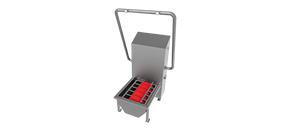
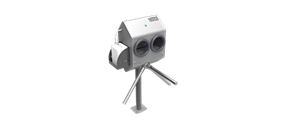
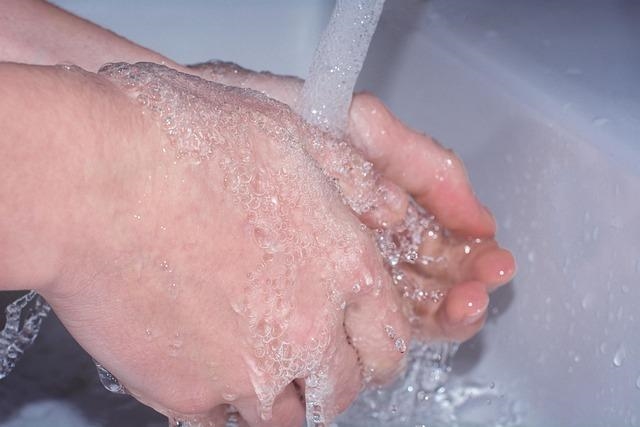
Hand washing stations, footwear cleaning machines, and equipment cleaning solutions are usually placed at entry and exit points and form the first line of defense against contamination. A supervised entry system supports optimal hygiene in the workplace by guiding personnel through the same disinfection process before they enter restricted sterile zones. Rather than relying solely on individual discipline, companies can establish a consistent and measurable disinfection barrier.
Hand Hygiene Control Using the NIEROS® Hygiene Station HC XL
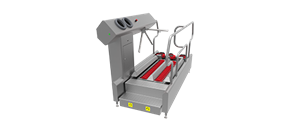
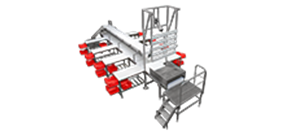
Hygiene procedures are not complete without proper equipment. NIEROS® HC XL is a dual-lane walk-through station designed specifically for larger production plants with a high number of personnel. It has two walk-through footwear brush cleaners, two automatic hand disinfection units, two turnstile-controlled passages, and three vertical brushes for cleaning both sides of boots. Its high operating capacity allows 10 to 15 people to walk through per minute, with each person passing through in approximately 5 seconds. The double entrance doubles the access frequency, increasing it to 20 to 30 people per minute.
The stainless steel machine has rubber protectors, nozzles for sanitizing-agent application, easy-to-change brushes, a smooth design with a sandblasted finish, automatic sanitizing-agent dosing, and turnstiles. It is height-adjustable and can be connected to personal card readers or a centralized chemical supply. To ensure optimal hygiene in the workplace, it offers a range of add-on units that complement the product's basic version.

Equipment Cleaning Solutions for Preventing Contamination
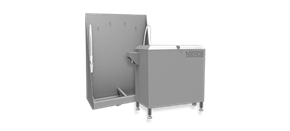
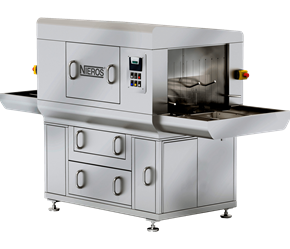
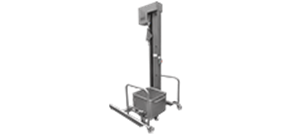
Hygiene in the workplace cannot focus solely on personnel sanitation practices. Equipment washing is equally important for preventing contamination. Energy-saving cleaning solutions meet the needs of a wide array of industries. Our machines are constructed from premium stainless steel, ensuring reliable performance, durability, and a long lifespan. They are engineered for high efficiency and optimized operating costs through minimal energy and time consumption.
As a manufacturer, we understand that a well-maintained industrial facility reflects a strong commitment to staff health and operational excellence. Effective disinfection practices reduce the likelihood of contamination and incidents, while a proactive approach delivers lasting value for any industrial facility.