


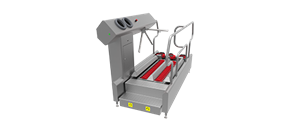


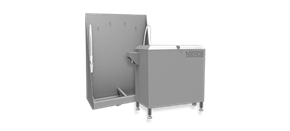


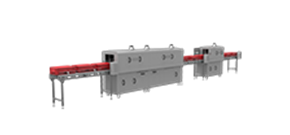
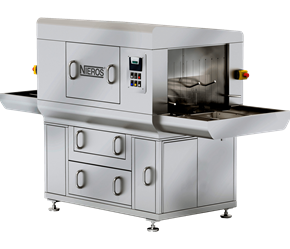








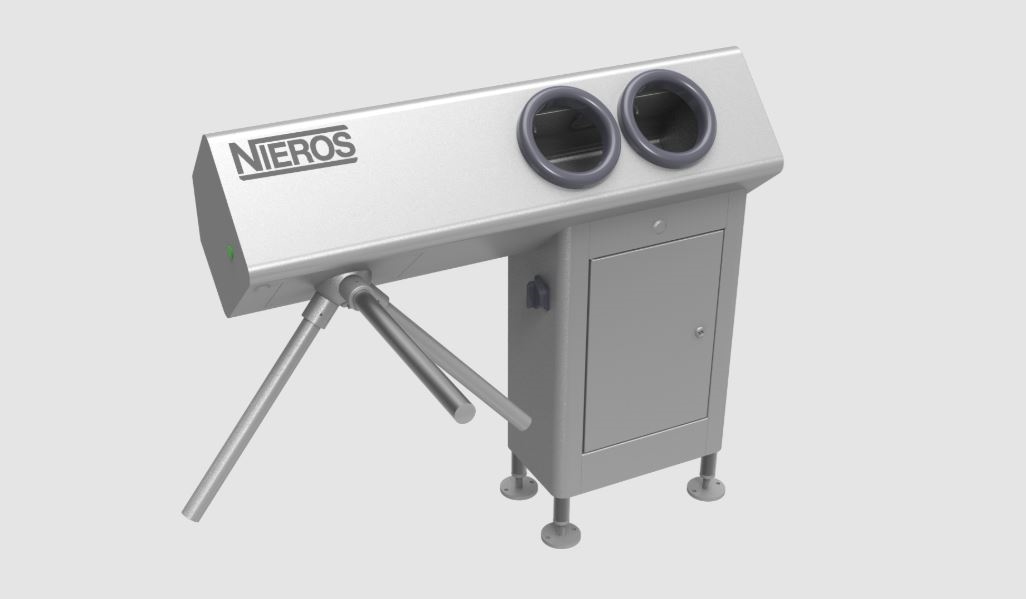
Automatic hand wash dispenser helps industrial workplaces maintain cleanliness, safety, and operational efficiency. It combines durable construction, adaptable configuration, and reliable performance to meet the strict hygiene standards required in industrial facilities. Stainless steel components, modular design, and long-lasting materials enable continuous operation under demanding conditions, including chemical exposure and temperature fluctuations.
Investing in a high-quality system is essential for achieving hygiene compliance, particularly in environments where consistent sanitation cannot be maintained without properly engineered equipment. A hand wash station supports workflow efficiency, reduces unnecessary effort, and clearly reflects organizational priorities regarding hygiene and safety.
Hand hygiene compliance depends on visibility, accessibility, and ease of use. Placement therefore plays a critical role. Regulations may require hand washing before and after handling materials, yet if hygiene stations are positioned too far from operational zones, sanitation procedures may be skipped. When solutions are designed with real workflow conditions in mind, written policies translate into consistent daily practice.

Hand Hygiene Compliance Is a Foundational Requirement for Workplace Safety
An automatic hand wash dispenser remains one of the most reliable methods for reducing cross-contamination risks. Regulatory frameworks require factories and industrial plants to treat hygiene as a central component of workplace safety and contamination control. A properly designed cleaning station enables effective and repeatable sanitation under real production conditions, supporting contamination prevention at critical control points.
Industrial environments are structured around material movement, efficiency, and risk management. Easily accessible hygiene equipment prevents workflow disruption and establishes structured control points that support consistent sanitation practices. Regulatory compliance is mandatory, and a hand wash station support regulatory hygiene requirements within daily operational processes. Facilities lacking suitable equipment often face recurring non-conformities, which may result in financial penalties or operational shutdowns.
How Industries Benefit from a Hand Wash Station
An automatic hand wash dispenser provides an engineered control measure that reduces contamination risks and stabilizes sanitation practices across complex industrial operations. One of the primary advantages of hands-free systems is the reduction of contamination associated with manual contact points. In industrial settings, hands frequently carry bacteria, microorganisms, oils, dust, or viruses. Touch-free activation prevents recontamination after washing and supports more reliable hygiene outcomes.
Compliance improves when procedures require fewer manual steps and less effort. In facilities where personnel wear protective clothing, manual sanitation can slow operations and introduce inconsistency. Automated systems operate according to predefined parameters such as water temperature, soap dosage, flow duration, and rinse time. Hand hygiene compliance is strengthened when standardized processes reduce variability in high-risk environments. By automating mechanical steps, personnel can concentrate on proper technique while sanitation remains consistent even in complex or high-intensity production areas.

Wall-Mounted vs. Floor Hand Wash Station
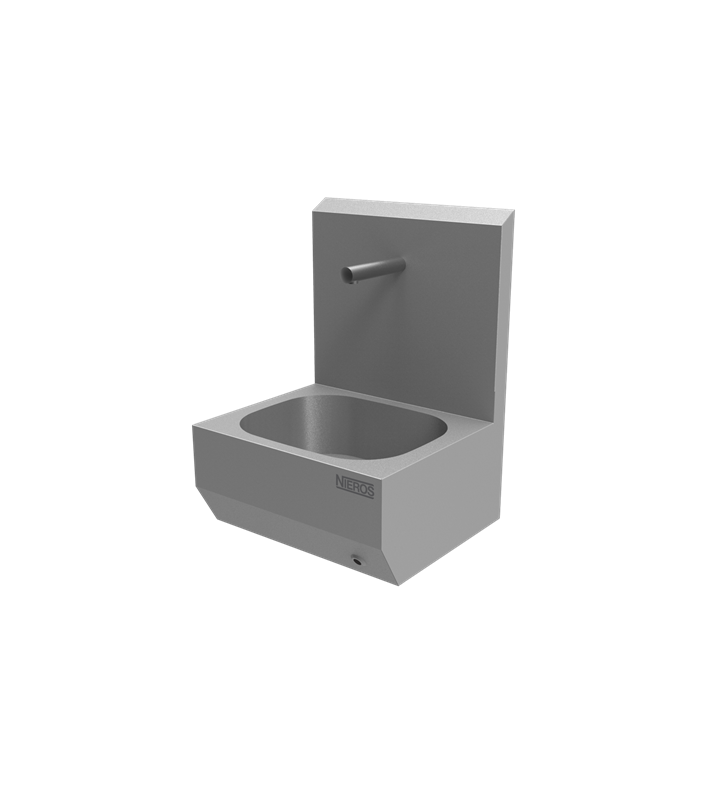
Hand hygiene compliance requires facilities to follow clearly defined standards. Selecting appropriate equipment can be challenging, particularly when new systems must integrate smoothly into established production processes. Wall-mounted configurations preserve floor space, making them suitable for compact environments. However, they require adequate wall support and sufficient clearance to allow comfortable use.
Floor-standing systems offer flexibility and are well suited to open layouts or high-traffic zones. They require stable installation and unobstructed floor space to ensure safe operation. Each sanitation solution incorporating an automatic hand wash dispenser delivers consistent hygiene performance and dependable operation. Robust construction enhances durability while supporting operational efficiency and reducing maintenance requirements over time.
Sustainable and Eco-Friendly Hand Cleaning Station Design Is Important
An automatic hand wash dispenser should incorporate sustainable and resource-conscious design principles. Sustainability is essential for continuous operation and responsible resource management. Because hygiene systems operate at scale, they may complete thousands of wash cycles annually. Each cycle consumes water, energy, soap, and disinfectant. While individual usage may appear minimal, cumulative consumption becomes significant in large facilities.
Sustainable engineering emphasizes controlled flow and optimized resource use. Flow restrictors regulate water volume while maintaining effective washing performance. When combined with efficient system design, these features align operational performance with conservation goals. Reducing energy consumption lowers overall operational impact. Material selection also contributes to sustainability. Durable, recyclable materials such as stainless steel extend service life and reduce the frequency of replacement.
Hand Hygiene Compliance: the Gap Between Policy and Practice
A hand wash station connects employees’ daily hygiene routines with the organization’s defined sanitation policies. These policies are established to enforce standards, yet their practical application often exposes gaps between expected behavior and actual performance. Such gaps typically arise when facilities do not adequately support reliability, accessibility, user comfort, and seamless workflow integration.
A properly designed hygiene solution must integrate naturally into operational procedures, withstand demanding industrial conditions, and account for human factors that influence consistent use. It should reinforce correct behavior, reduce procedural obstacles, and support monitoring and long-term sustainability objectives.
Investing in an automatic hand wash dispenser strengthens contamination control, operational efficiency, and regulatory compliance in industrial environments. With durable construction, modular configuration, and dependable functionality, these systems deliver long-term value that justifies the initial investment. Selecting appropriate features and ensuring proper integration within the facility help safeguard employee safety while maintaining uninterrupted operational continuity.