


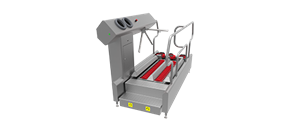


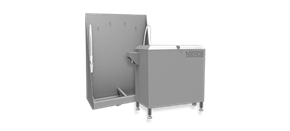


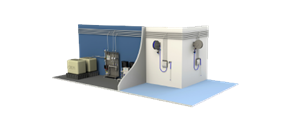
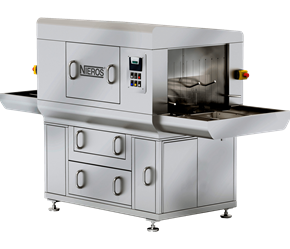






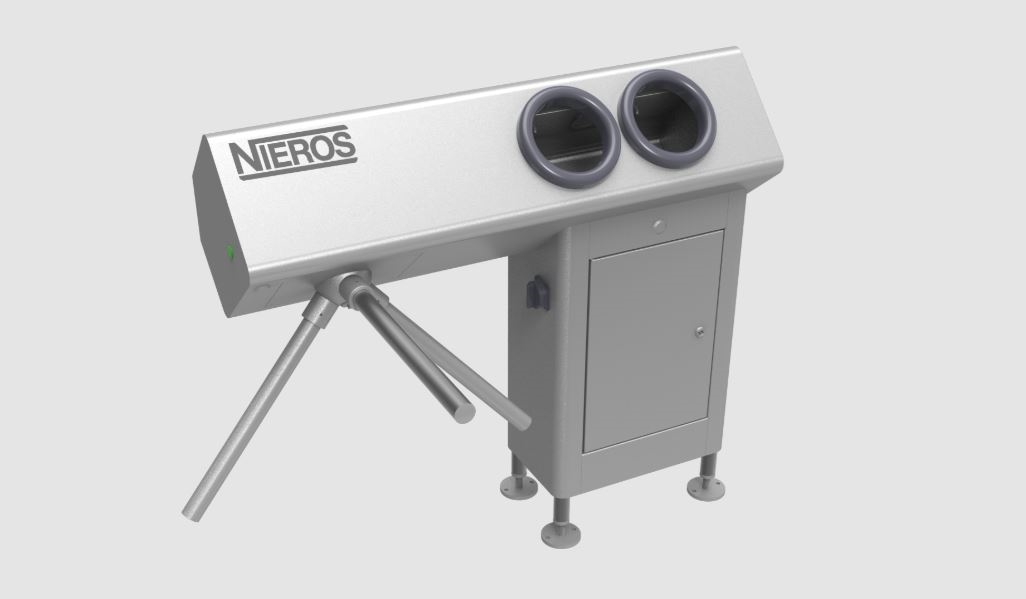
Automatic hand washer ensures safety, maintains compliance with the highest standards, supports staff well-being, and preserves product quality. Investing in a high-quality NIEROS® hand washing station is a strategic decision that directly affects safety, efficiency, and brand integrity. Its design has a measurable impact on hygiene behavior, encouraging personnel to disinfect correctly and consistently. Effective engineering integrates cleanliness into the workflow, transforming a routine task into a reliable safeguard.
When choosing a hand wash system, it is essential to understand contact points and cross-contamination because these factors determine decisions regarding design, placement, and functionality. A well-designed solution aligns with movement patterns, reduces unnecessary contact, and guarantees consistent behavior. Proper workplace hygiene positively influences staff motivation, engagement, and performance.

A Good Hand Washing Station Matters in Industrial Facilities
An automatic hand washer is essential for operational safety in industrial facilities. These environments often involve multiple simultaneous processes, which is why preventing cross-contamination is critical. Hands are the primary vector for transferring contaminants such as bacteria, viruses, dirt, and other harmful pathogens. Hygiene protocols supported by a sanitizing system limit the movement of contaminants, maintain high production standards, protect product quality, and ensure compliance with rigorous sanitation laws, regulations, and standards.
By implementing hygiene zones with a hand wash system, facilities also reduce the risk of penalties, production shutdowns, or reputational damage. Strategic placement of the equipment is crucial because personnel are more likely to follow sanitation guidelines when it is conveniently located and easily accessible. The machinery is often installed near entry and exit points or in high-risk work areas.
Hand Wash System Design Encourages Proper Hand Washing
A NIEROS® hand washing station is a piece of equipment that industrial facilities rely on. However, its effectiveness also depends on consistent human behavior. The design of a disinfecting solution is crucial in determining how frequently and effectively staff clean their hands. Well-designed machinery guides behavior and integrates hygiene into daily routines. Human behavior follows convenience and habit, so sanitizing stations must be positioned so that hand washing is a seamless step rather than an interruption. Clear access, intuitive controls, and straightforward layouts allow personnel to use the equipment without hesitation.
The location of an automatic hand washer determines whether it becomes a natural part of daily activity and ensures sufficient capacity. Ergonomic design accommodates a broad range of users. Sink height, tap reach, control placement, and touch-free features all influence comfort. Minimizing contact points has become a defining feature of modern stations, encouraging proper hand washing while maintaining cleanliness throughout the process. Simple and intuitive engineering prevents confusion and promotes consistent behavior.

Understanding Contact Points and Cross-Contamination
An automatic hand washer is indispensable for ensuring safety. When selecting an appropriate solution for the facility, it is vital to understand how contact points function and how cross-contamination spreads. Contact points are surfaces that personnel touch during routine tasks. These include tools, machinery controls, door handles, protective equipment, packaging materials, and the sanitation station itself. Depending on the workflow and interactions, a staff member can touch dozens of surfaces within minutes. Sanitizing equipment is an effective solution to prevent contaminants from moving freely between surfaces.
Cross-contamination occurs when bacteria and harmful pathogens transfer from one surface to another. When designing and engineering a sanitation apparatus, it is important to create a solution that interrupts the chain of contamination and reduces the risk of secondary contact. Machinery engineered for minimal contact ensures that the cleaning process remains effective from start to finish. To provide optimal cleanliness practices, map movement within the facility and place the equipment at critical locations.
The Link Between a Hand Washing Station and Personnel Morale
A hand wash system is a necessity, ensuring efficiency, safety, and reliability in an industrial environment. Its impact goes beyond hygiene, influencing how personnel feel, behave, and perform. A well-maintained hygiene zone signals order, care, and professionalism. When personnel have functioning equipment and adequate supplies within reach, they understand that their basic needs are taken seriously.
Manufacturing and production facilities are often exposed to dust, chemicals, oils, or biological contaminants, and an automatic hand washer provides a critical layer of protection. Without worrying about cleanliness and safety, staff can focus on their tasks, which improves productivity and morale. Sanitizing solutions affect physical health, psychological comfort, and social dynamics. They reduce stress, support safety, and create a positive working environment.

Risk Mitigation Through Hand Wash System Protocols
A hand washing station mitigates the ever-present risks in industrial settings. An automated solution combines physical infrastructure with digital control systems, which govern when, how, and whether hand cleaning occurs. Protocols embedded into the system transform hygiene from a voluntary action into a controlled process. Risk often arises from inconsistency and gaps in sanitation practices. Standardization, real-time enforcement of compliance using turnstiles, zoning, and traceability reduces human error, minimizes cross-contamination, and supports regulatory compliance.
Choosing an automatic hand washer guarantees that industrial workplaces remain safe, hygienic, and efficient. Investing in the right station benefits both personnel health and operational continuity. Beyond immediate safety and compliance, it fosters a culture of care and responsibility, reinforcing the importance of hygiene in daily operations. By prioritizing these practices, facilities not only protect their workforce but also strengthen long-term productivity and trust in their operations.