


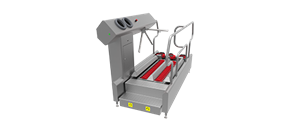
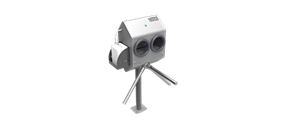





A boot cleaning machine makes hygiene simple, practical, and consistent. By efficiently removing dirt, bacteria, abrasive materials, and moisture, it helps keep protective footwear in excellent condition. As a result, boots retain their flexibility, structural integrity, and protective performance for longer. When selecting a boot washer configuration for your facility, it is essential to consider dwell time. Effective disinfection depends on allowing the sanitizing agent sufficient time to interact with microorganisms and achieve the intended level of microbial reduction.
An electric boot cleaner performs best when dwell time is treated as a critical part of the sanitation process rather than a minor technical detail. Selecting the right equipment involves much more than comparing specifications or purchase prices. Long-term performance, reliability, and compatibility with the facility's hygiene strategy are equally important considerations.

The Impact of a Boot Washer on Footwear
A boot cleaning machine promotes consistency, reduces the potential for human error, and strengthens contamination control. The equipment removes harmful contaminants quickly and consistently by using water systems, disinfecting solutions, rotating brushes, or a combination of these technologies. Depending on the model, it cleans both the soles and sides of footwear simultaneously. Personnel step onto the machine or guide their boots across rotating brushes, allowing the bristles to reach deep into tread patterns where manual cleaning often proves less effective.
A footwear sanitation system helps prevent cross-contamination while protecting the structure of protective boots. Although industrial footwear is manufactured from durable materials, continuous exposure to contaminants gradually weakens those materials over time. An electric boot cleaner removes harmful substances before permanent damage occurs, extending footwear service life, preserving slip resistance, reducing unpleasant odors, and improving overall personnel comfort.
Dwell Time in Electric Boot Cleaner and Why Proper Timing Matters
A boot washer helps prevent contamination, but its effectiveness depends on dwell time. Dwell time is the period during which a disinfectant remains in contact with the boot surface before it is rinsed, dried, or exposed to further movement. This contact period determines whether the active ingredients can effectively damage or eliminate microorganisms.
Depending on the formulation, disinfectants may disrupt cell membranes, damage proteins, interfere with biological processes, or prevent microorganisms from reproducing. Once applied to footwear, the active ingredients immediately begin interacting with microorganisms, but they can perform effectively only when concentration, coverage, and contact time are all appropriate.
These reactions require sufficient time to achieve the desired result. If the cleaning cycle of a boot cleaning machine is too short, microorganisms may survive. Appropriate dwell time depends on the facility, applicable regulations, and operational requirements. It is also influenced by contamination levels, disinfectant formulation, concentration, temperature, and the specific microorganisms being targeted. Microbial kill rates determine how effectively a disinfectant reduces living microorganisms on footwear. Because different microorganisms exhibit varying levels of resistance, adequate exposure time is essential for disinfectants to reach their full potential.
Common Mistakes to Avoid When Selecting a Footwear Washing Unit
A boot cleaning machine is a valuable investment, but only when selected appropriately. Before purchasing equipment, facilities should carefully evaluate their operational requirements. A system that performs well in one industry may not satisfy the needs of another. One of the most common mistakes is focusing primarily on purchase price. Although cost is an important factor, selecting equipment based on price alone often leads to higher operating expenses, reduced performance, and dissatisfied users over time.
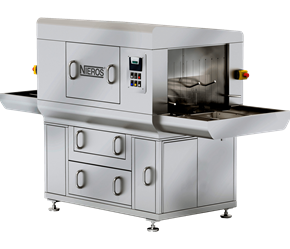
It is equally important to consider the working environment because every facility presents unique cleaning challenges. Matching the equipment to the application supports consistent sanitation performance and improves operational efficiency. Available installation space should also be considered during the selection process. Facilities with unique layout requirements can benefit from customized equipment. At NIEROS®, we provide comprehensive solutions designed to integrate seamlessly into virtually any production environment.
Boot Washer SR N Reduces Microbial Contamination Risks
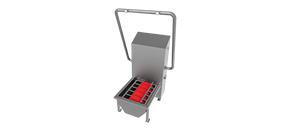
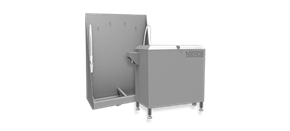
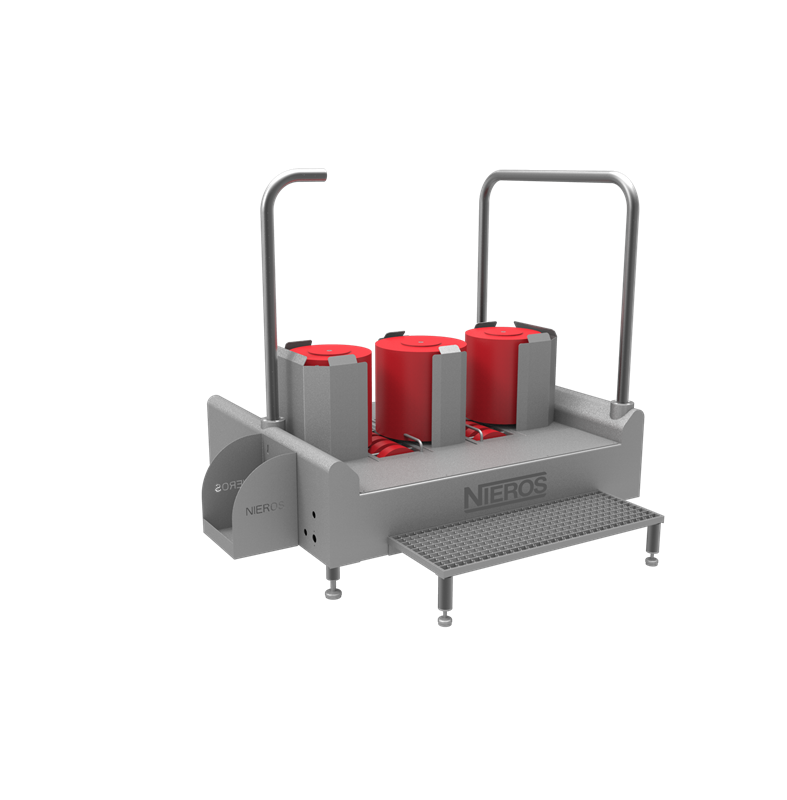
An electric boot cleaner SR N is an excellent solution for facilities that maintain the highest hygiene standards, including food processing plants and pharmaceutical manufacturers. The equipment performs best when installed at entry or exit points. It is manufactured from high-quality stainless steel DIN 1.4571 (AISI 316L), DIN 1.4404 (AISI 316Ti), or other stainless steel grades upon request.
Our engineers developed two versions of the boot cleaning machine SR N. Model SR N P is wall-mounted, while Model SR N F is self-standing. Both include a bottom horizontal brush for cleaning the soles and sides of footwear and are activated by a push button. Advanced technology allows personnel to adjust the cleaning procedure according to the level of contamination, improving both flexibility and efficiency.

Managing Personnel Throughput Using an Electric Boot Cleaner
A boot washer helps facilities manage personnel throughput efficiently. This becomes much easier when organizations understand throughput as the number of people who can move through a sanitation process within a given period. The most effective approach combines appropriate equipment, employee training, regular maintenance, and realistic cleaning cycle times. When the system is engineered correctly, personnel can move efficiently through the cleaning process while their footwear receives the required level of sanitation.
Investing in a boot cleaning machine means selecting equipment designed for the specific needs of your facility. A well-chosen solution improves day-to-day efficiency while supporting long-term hygiene objectives. Comparing available features, configurations, and performance capabilities helps facilities find the right balance between operational effectiveness and practicality. The ideal system integrates naturally into existing workflows while delivering reliable sanitation performance every day.