


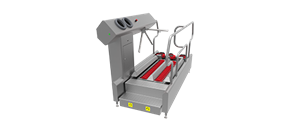


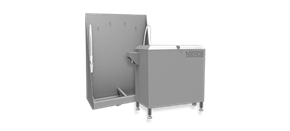


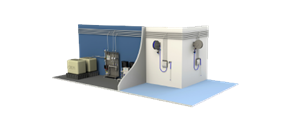
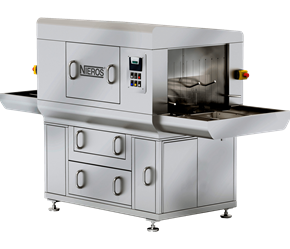








Hand washing station helps facilities meet hygiene standards while maintaining smooth operations in critical areas. To comply with the hygiene standards of HACCP, IFS, and NSF, they can be strategically placed at entry or exit points. Hands-free operation, easy maintenance, and placement at key points within the facility encourage consistent use, reduce contamination, and enhance overall occupational safety. Most businesses prefer automated sensor or knee-operated systems that provide standardization and contribute to consistent hygiene outcomes and sustainability goals.
A stainless steel wash basin offers long-lasting durability, ease of use, and simple maintenance, making it ideal for environments with frequent hand-washing requirements. Its smooth, non-porous surfaces allow for quick and efficient cleaning, minimizing the risk of bacterial buildup and supporting high hygiene standards. Designed for heavy use, it withstands daily wear while maintaining its structural integrity over time.
Automation plays a key role in modern hand-washing solutions, allowing facilities to minimize contact, standardize processes, and improve overall hygiene compliance. The automatic hand washer price is influenced by factors such as automation level, regulatory compliance, materials, customization, installation requirements, and monitoring capabilities. Careful consideration of these factors helps facilities select a solution that provides reliable performance, cost-effectiveness, and long-term operational value.
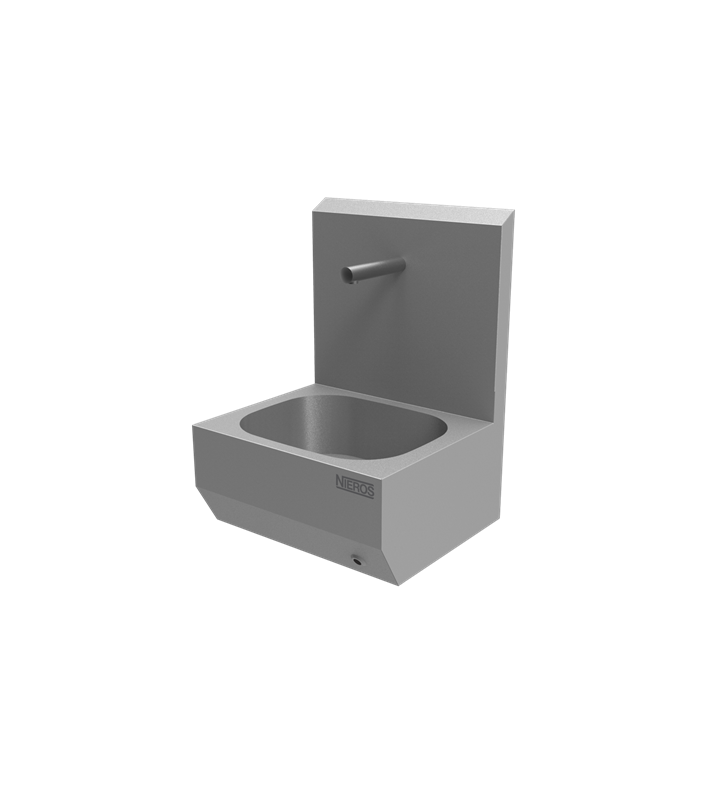
Stainless Steel Wash Basin Prevents Contamination and Maintains Smooth Operations
Hand washing station enforces proper cleanliness practices in industrial facilities and requires careful engineering considerations, including flow management. Access points must handle staff traffic efficiently, so features such as turnstiles or guiding mechanisms should allow seamless movement once sanitation is complete, minimizing bottlenecks and maintaining smooth operations.
By implementing a stainless steel wash basin, companies ensure hygiene procedures align with regulatory standards while providing a durable, easy-to-clean surface that supports consistent hand-washing practices. To guarantee perfect integration with existing equipment, machines are often custom-made, allowing them to fit precisely within the current setup without disrupting workflows. For ease of use, the system must be intuitive and unobtrusive. Personnel can operate it with minimal effort, following clear instructions and receiving immediate feedback, which encourages proper use and maximizes compliance.

Automatic Hand Washer Price and the Benefits of Automation
Hand washing station dispenser plays a vital role as a control measure in industrial settings that require strong prevention strategies. Despite high foot traffic, industrial environments uphold strict regulations and standards. To prevent bacteria, germs, dirt, microorganisms, or other harmful pathogens from entering production areas, facilities install hand and footwear cleaning stations. Traditional manual systems are the most common form of hygiene infrastructure and are available in many configurations to optimize hygiene. While manual disinfecting can be effective, it largely depends on human behavior, which can be inconsistent.
Most companies are choosing automatic equipment, which is innovative in electronics, sensor technology, and system implementation. These systems operate through touch-free activation, minimizing surface contact. Process consistency is a key feature: each staff member goes through an identical process. Standardization ensures reliability and reduces dependence on human behavior. The automatic hand washer price depends on factors such as automation level, features, and compliance with hygiene standards, helping facilities choose a solution that meets operational needs.
Automatic Hand Washer Price Depends on Multiple Important Factors
Automatic hand washer price is influenced by multiple factors. These solutions are designed for frequent use and high throughput. They are flexible, sustainable, and compatible with existing machinery. Price largely depends on structural design and materials, as washers must perform reliably in harsh environments and withstand fluctuating temperatures, continuous use, mechanical stress, and chemical exposure.
Integration level is another key factor. Basic systems feature a single hand-wash point, making them more affordable. More complex systems with additional features require precision engineering, which increases the cost. Automation transforms a hand washing station from a passive fixture into an active control point. It provides minimal contact, close monitoring, data analysis, and connectivity. The price reflects traceable hygiene data as well as regulatory compliance and certification.

The Value a Stainless Steel Wash Basin Provides Over Time
Stainless steel wash basin is an essential component of a washing station, offering long-term value that far exceeds its initial purchase cost. These basins are more expensive because they ensure compliance, durability, and reliable operational performance. The primary long-term value driver is service life: the machines withstand continuous use for decades with minimal wear, maintaining structural integrity. Longevity is particularly significant in industrial facilities, ensuring predictable operations.
Industrial settings depend on smooth, continuous operations, so operational continuity adds significant long-term value. A hand washing station with a premium sink is designed to prevent failure modes that cause downtime while meeting regulatory standards. Longevity is ensured by a modular design that supports adaptability and scalability. Future-proofing includes resistance to changes in cleaning protocols or throughput.
The Hidden Costs of Skipping Hygiene Infrastructure
Hand washing station is an investment every business should make. The absence of such equipment can have costly consequences. Hidden costs of not having a sanitation station include health issues and lost productivity. Cross-contamination can slow operations, and prolonged exposure to poor hygiene conditions can lead to long-term health problems. Additional hidden costs include contamination, product loss, regulatory fines, increased absenteeism, liability claims, reduced productivity, and equipment damage.
Effective hand hygiene in companies relies on the design, durability, and accessibility of basins. These features enable employees to perform thorough hand-washing efficiently, support policy adherence, and maintain product safety standards. By prioritizing high-quality industrial sinks, businesses ensure hygiene compliance while maintaining operational performance.