






An industrial boot cleaner eliminates variability, reduces supervision requirements, and helps prevent contamination before it occurs. When automation is integrated into workflow design, hygiene becomes a predictable process rather than a continuous manual task, creating greater operational value. Many industries benefit from installing a boot cleaning machine, including food and beverage processing, automotive manufacturing, pharmaceuticals, electronics, agriculture, healthcare, and energy.
Our industrial shoe cleaning machines are designed with sustainability in mind. We engineer every component to help minimize the overall environmental footprint. Responsible design focuses on reducing resource consumption, managing waste streams efficiently, and preventing environmental contamination. By delivering consistent sanitizing performance, minimizing human variability, maintaining reliable operation throughout seasonal changes, and supporting structured documentation, these systems help facilities remain audit-ready throughout the year.

Using a Boot Cleaning Machine to Reduce Manual Labor
An industrial boot cleaner and automation do not eliminate responsibility but instead redefine it. Rather than responding to contamination after it has already spread, facilities establish controlled procedures that ensure consistent footwear cleaning at designated transition points.
A hygiene cycle is the complete process of removing and controlling contamination throughout personnel movement. Entry, movement between production zones, work activities, and exit all contribute either to contamination control or contamination spread. Traditional manual sanitizing systems depended heavily on individual habits, timing, attention, and consistency. Labor requirements increase significantly when contamination is not controlled at its source.
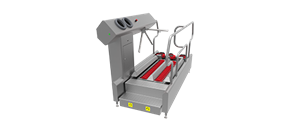
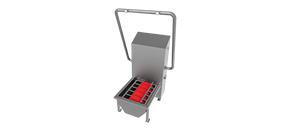
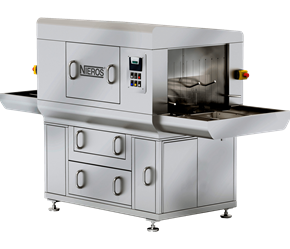
Automated industrial shoe cleaning machines transform footwear sanitation into a predictable and repeatable process. They use rotating brushes, controlled water flow, and guided foot movement to remove debris while delivering consistent performance regardless of user behavior. This standardized approach eliminates variability and replaces manual scrubbing with engineered precision. Automation also reduces manual labor by removing repetitive cleaning tasks, decreasing inspection and supervision requirements, and minimizing the need for reactive sanitizing interventions.
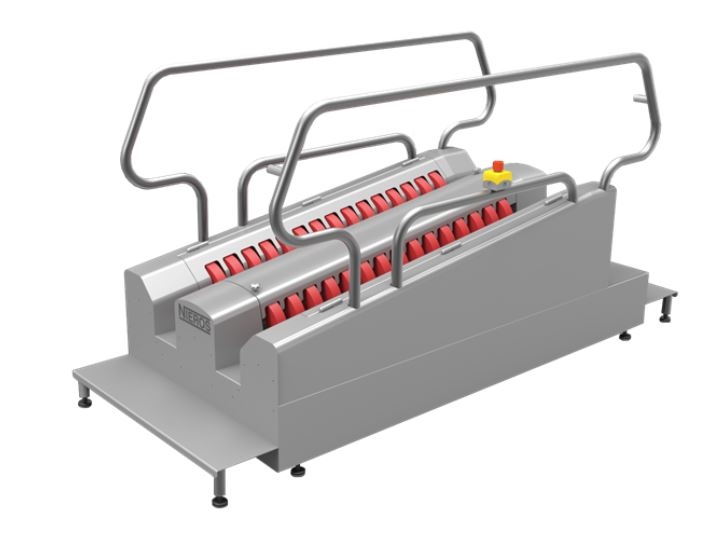
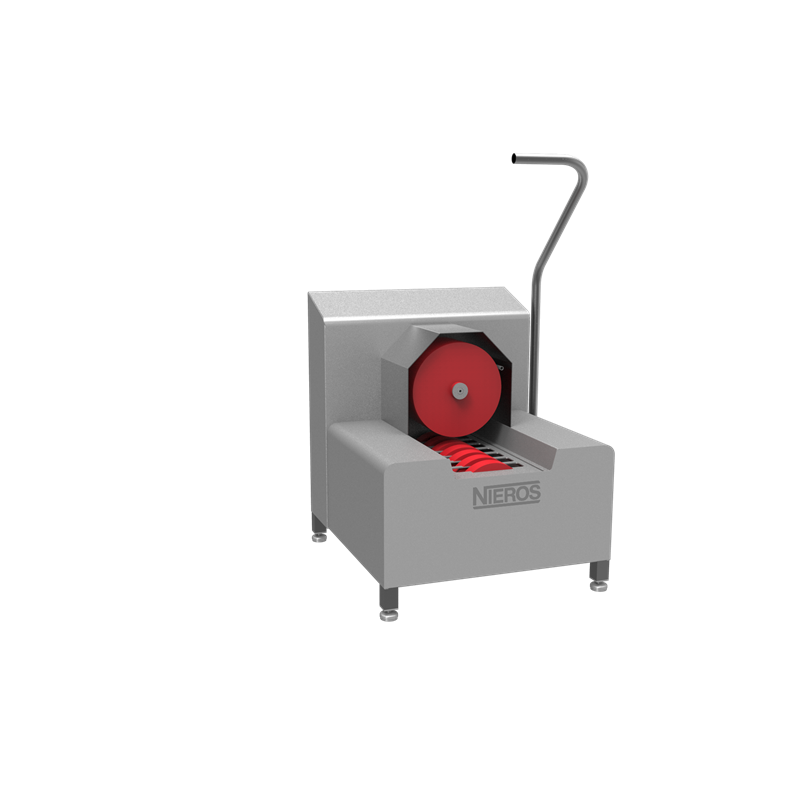
Industrial Shoe Cleaning Machines: NIEROS® Sole Cleaner SR C
A boot cleaning machine provides efficient cleaning of boot soles and sides while keeping the entire sanitizing process simple and reliable. The equipment features a hygienic design with a smooth surface finish and adjustable height to accommodate different personnel requirements. Sole Cleaner SR C includes an upper horizontal brush for cleaning the front section of the footwear and a lower horizontal brush for thoroughly cleaning the soles.
At NIEROS®, we provide comprehensive hygiene solutions that comply with the highest HACCP, IFS, and NSF standards. Every product is manufactured in-house and recognized for its durable construction, reliable performance, and long service life. We develop customized solutions by combining decades of experience with the latest engineering technologies. Every industrial boot cleaner we manufacture is designed to deliver dependable performance, maintain consistent hygiene standards, and minimize maintenance requirements throughout its operating life.
Industries That Benefit Most from a Boot Cleaning Machine
Industrial shoe cleaning machines play a vital role in controlling contamination at facility entry points. Numerous industries benefit from implementing automated footwear sanitizing systems. Food and beverage processing facilities, where product safety and regulatory compliance are among the highest priorities, rely on these systems to reduce the risk of contaminants entering production zones. Automated solutions help maintain consistent hygiene standards across all entry points, control personnel movement between hygiene zones, and reduce dependence on manual sanitation procedures.
The pharmaceutical industry also requires strict control of particulate contamination, as even microscopic debris can compromise production integrity and regulatory compliance. An industrial boot cleaner is frequently integrated into cleanroom protocols to support this layered approach to contamination control. In agriculture, controlling organic contamination strengthens biosecurity measures, while in manufacturing, it helps protect equipment and maintain controlled production workflows. These systems also play an important role in energy and utility facilities, where they help protect sensitive control systems and support the highest operational safety standards.
Environmental Considerations When Operating Industrial Shoe Cleaning Machines
A boot cleaning machine is engineered to remove debris, spores, and microorganisms from footwear before personnel enter controlled environments. Its function supports both biosecurity and environmental responsibility. Modern systems are designed not only to prevent contamination but also to minimize water and energy consumption. In high-traffic facilities, water demand can increase rapidly, making efficient resource management essential. Advanced engineering helps regulate water usage, optimize pressure, and maintain effective sanitizing performance while minimizing unnecessary waste.
Our footwear washing solutions are manufactured using durable, sustainable materials that provide a long service life when properly maintained. Sustainability can be further improved through the use of biodegradable cleaning agents that break down into less harmful compounds after use. A properly installed industrial boot cleaner also promotes correct operating practices, improving sanitizing effectiveness while reducing unnecessary resource consumption. Routine maintenance remains essential for preserving both environmental performance and long-term equipment reliability.

NIEROS® Boot Washing Machines Support Audit Readiness
An industrial boot cleaner helps facilities remain audit-ready throughout the year. Industrial audits evaluate whether hygiene procedures are clearly defined, consistently implemented, and effectively monitored. Auditors assess whether personnel movement between production zones is properly controlled and whether contamination risks are actively managed. Audit readiness depends on maintaining consistency, traceability, and control across every hygiene-critical procedure. Implementing automated footwear sanitation systems helps standardize performance, eliminate variability, improve traceability, and support continuous compliance with regulatory requirements.
The benefits of a boot washing system extend well beyond maintaining clean footwear. It strengthens hygiene standards, reduces maintenance requirements, and contributes to the long service life of both protective footwear and sanitation equipment. Investing in a trusted solution helps facilities maintain cleaner operations, stronger compliance, and reliable long-term performance.