


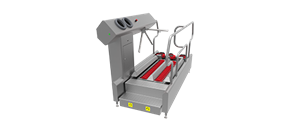


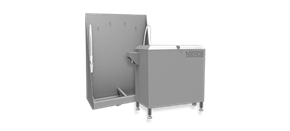


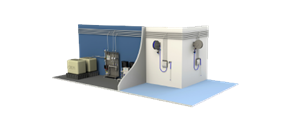
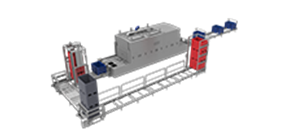
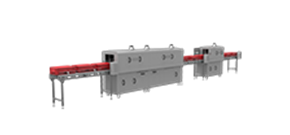
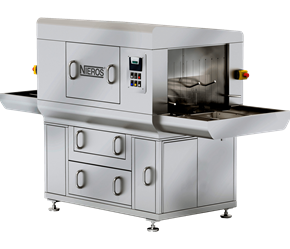
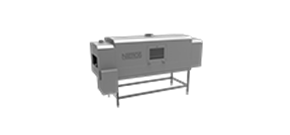





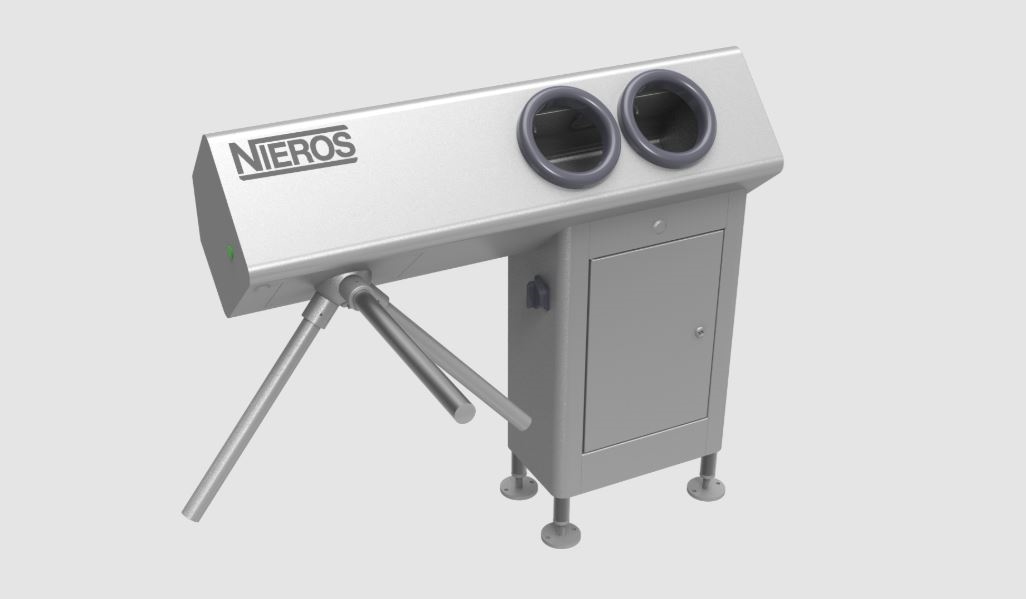
Industrial hand washing station helps guide personnel through proper handwashing techniques. Its integration supports regulatory compliance, operational performance, equipment integrity, and environmental sustainability. The automatic hand washer price depends on factors such as material, size, capacity, compliance requirements, water systems, heating, additional technology, integrated features, installation complexity, and maintenance considerations.
A hand sanitation station can be connected to personal card readers and a centralized chemical supply. Digitally operated solutions provide visibility into actual staff behavior, allowing management to identify patterns and optimize operations. These units are not only practical hygiene solutions but also strategic assets that improve productivity, reinforce safety practices, and promote a healthier work environment.

Hidden Advantages of a Hand Sanitation Station
An industrial hand washing station is a compliance requirement in most industrial facilities. Its primary function is to prevent contamination, support strict hygiene practices, reduce bottlenecks, and ensure smooth operations. However, a sanitation unit also offers several additional advantages, including:
- Reinforces routine behavior and process integrity
- Contains contamination and establishes zone control
- Improves equipment longevity and maintenance effectiveness
- Reduces workplace injuries and incidents
- Lowers absenteeism and improves staff health
- Decreases environmental and chemical load
- Strengthens organizational culture
- Ensures regulatory compliance
- Supports energy and cost savings
The importance of strategically placed hand sanitation station solutions extends beyond cleanliness. In industries where margins are tight and downtime costly, these benefits are essential rather than optional. Proper placement supports smoother workflows by reducing unnecessary movement and delays, while also encouraging consistent hygiene behavior among personnel. It helps create clearly defined hygiene zones, minimizing the risk of cross-contamination between different areas of the facility.
In addition, well-positioned stations contribute to better compliance monitoring, as they make it easier to integrate hygiene steps into daily routines without disrupting productivity. Over time, this leads to more predictable operations, improved product quality, and reduced risk of costly interruptions.
Automatic Hand Washer Price Is an Investment Offering a Fast Return
The automatic hand washer price can vary significantly depending on several factors. Material selection and system type are among the most important. High-quality stainless steel, for example, ensures durability and long service life. Simpler systems with basic features typically cost less, while more advanced solutions with additional functionality increase the overall investment. Installation requirements and integration with existing systems can also influence the final cost.
Hygiene and compliance requirements also influence pricing. Many industries require strict adherence to hygiene standards, which often include touch-free operation, antimicrobial surfaces, and splash protection. A tailored industrial hand washing station with ergonomic design may cost more due to increased engineering complexity. However, these systems provide a strong return on investment through consistent hygiene performance, reduced consumable waste, and improved water efficiency.

How Materials Shape an Automatic Hand Washer Price
An industrial hand washing station may appear simple, but its engineering and manufacturing processes are highly advanced. Material selection plays a critical role in determining cost, installation requirements, maintenance needs, compliance, and lifespan. NIEROS® equipment is manufactured using premium stainless steel such as DIN 1.4571 (AISI 316L), DIN 1.4404 (AISI 316Ti), or other grades upon request. These materials offer excellent durability, corrosion resistance, and long-term structural stability.
The stations feature a hygienic design with a sandblasted finish. Each hand sanitation station is carefully welded, polished, and finished using specialized processes that reduce contamination buildup. Compliance with hygiene, safety, and environmental standards contributes to the overall cost. While the initial investment may be higher, long-term savings and reduced operational risk make it worthwhile.
The Design Complexity Also Shapes the Price of a Hand Cleaning Solution
An industrial hand washing station becomes more expensive as design complexity increases. Complexity refers to the level of engineering, integration, and functionality within the system. Basic units may include a simple basin, manual tap, and drainage system. Advanced systems may feature sensor-based controls, integrated solutions, multi-user configurations, water-saving technologies, and compliance-driven enhancements.
Many facilities opt for customized solutions, which require specialized engineering. Although customization involves a higher upfront cost, it provides long-term value through improved efficiency, scalability, and alignment with operational needs. In demanding environments, complex systems deliver superior performance, compliance, reliability, and durability.

Hand Sanitation Station Automates Hygiene Compliance Monitoring
The automatic hand washer price represents an investment in consistent, data-driven hygiene management. These systems ensure that hygiene standards do not rely on human memory, inconsistent supervision, or manual record-keeping. Advanced technology enables measurable and verifiable compliance, delivering significant operational, financial, and regulatory benefits. It also provides clear audit trails and reporting capabilities, which help facilities demonstrate compliance during inspections and internal reviews.
Continuous monitoring and real-time data allow only properly sanitized personnel to enter controlled areas. An industrial hand washing station reduces human error and strengthens compliance with regulations. Its role in maintaining hygiene standards and supporting operational continuity makes it a valuable long-term investment. Over time, this level of control improves efficiency, minimizes contamination risks, and reinforces a culture of accountability across the organization.