


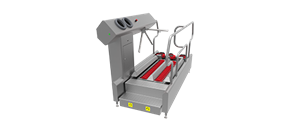


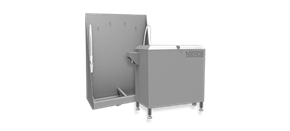


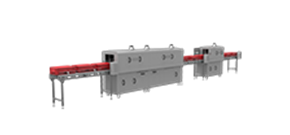
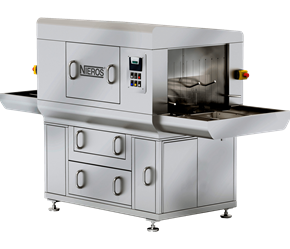





Industrial sink combines durability, hygiene, and ergonomic design. Stainless steel construction, featuring hands-free solutions, complies with industry standards to ensure safety and efficient operations. The machinery is often customised to fit seamlessly into the workflow and support a company’s sustainability goals. Selecting the right sink or station requires careful consideration of key elements, including basin design and size, material, sensor taps, and built-in soap and sanitiser solutions.
Selecting a hand wash station for heavy-duty applications involves matching robust materials, appropriate size, reinforced construction, and reliable drainage. Ergonomic design and proper placement ensure that an automatic hand wash station reduces harmful pathogens and prevents contaminants from spreading between areas.
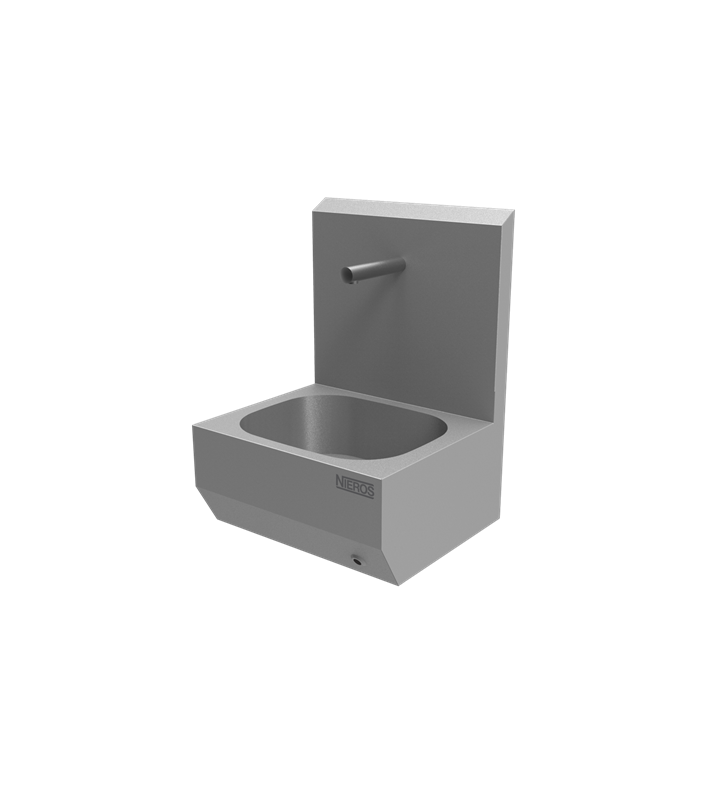
Hand Wash Station Lowers Contamination Risk at Every Phase
Hand wash station is critical in manufacturing, healthcare, laboratories, and food production. Such environments demand reliable sanitation, strong regulatory compliance, efficient workflows, and robust machinery. Combining a well-designed, high-performance station with a premium-quality sink guarantees optimal hygiene in demanding environments.
All equipment used in industrial settings must endure temperature changes and constant physical contact while resisting chemical exposure. The performance of an industrial sink must provide more than durability alone. Speed, accessibility, and reliability are equally important, as the risk of contamination must remain low at every stage. High performance also relates to compliance, as several facilities follow HACCP, IFS, and NSF guidelines. Made from high-quality stainless steel, these solutions provide superior corrosion resistance and withstand harsh cleaning chemicals and high temperatures.
How to Select the Correct Sink
An automatic hand wash station must be selected carefully by analysing working conditions and matching them with the appropriate technical specifications. Harsh industrial settings place high demands on equipment. Fluctuating temperatures, abrasive materials, and chemical exposure quickly degrade poorly specified solutions. Selecting the correct equipment enhances cleanliness, durability, and operational efficiency.
Choosing a station with a sink for heavy-duty applications requires careful evaluation of basin design, material strength, installation method, capacity, drainage performance, compliance, and long-term maintenance needs. When choosing an industrial sink, businesses prioritise stainless steel as the preferred material. The basin is a functional core, and its size, shape, and depth must align with operational needs. The equipment should fit into the existing layout and offer modularity for future scalability. Ergonomics and user efficiency are also crucial when selecting a sink.

Automatic Hand Wash Station Tailor-Made to Fit Facility
Industrial sink can be integrated within a self-contained unit engineered for companies with the highest hygiene standards. As facilities expand, traditional sinks become less effective and can quickly become sources of contamination. Utilising motion sensors or touch-free controls, automation guarantees a fully automated process for soaping, rinsing, disinfecting, and drying.
The solution is easy to use, swift to operate, and cost-effective. Made from stainless steel, it allows customisation to perfectly fit business needs. Minimising contamination risk enables facilities to comply with HACCP, IFS, and NSF standards. A comprehensive system can be tailor-made to fit the facility and provides a wide range of add-on units that can be integrated with the basic versions.
Hand Washing Solutions are Fundamental for High-Traffic Environments
Industrial sink must perform in harsh environments with continuous movement of materials, personnel, and machinery. In such settings, reliability, effectiveness, and safety are essential, and the correct solutions influence every aspect of operations. Automation is paramount for high-traffic facilities. With staff entering and exiting production lines, the movement of materials, and interaction with machinery, contaminants spread rapidly. Cleanliness in industrial businesses extends beyond visible dirt to include viruses, fungal spores, dust, microscopic bacteria, and other harmful pathogens. Properly designed hygiene areas prevent cross-contamination and protect both staff and consumers.
Maintaining proper hygiene reduces absenteeism, the likelihood of pest infestations, and ensures product integrity. An automatic hand wash station helps facilities ensure products meet strict quality and safety standards while maintaining regulatory compliance. Failure to maintain sanitation in high-traffic environments directly violates these regulations and standards.

What Determines the Price of an Automatic Hand Wash Station
An industrial sink within a well-designed hand hygiene system plays a vital role in maintaining hygiene, safety, and regulatory compliance in demanding workplaces. Selecting durable materials, ergonomic designs, and efficient water systems ensures long-lasting performance. By investing in the right system, companies enhance cleanliness, safeguard staff, and ensure smooth daily operations.
Hand wash station is essential for meeting industrial hygiene standards, and its price depends on several factors. One of the most defining factors is automation and technology. Basic systems with fewer features are less expensive than those with more advanced features. Price also depends on material quality, structural durability, type of power, water supply configuration, user volume, and throughput. Another substantial factor influencing pricing is the level of regulatory compliance required. Each facility is unique, so the hand wash station is often customised to fit the layout and operations perfectly.