


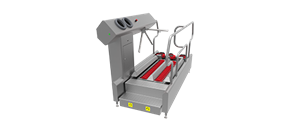
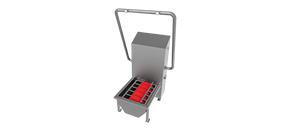
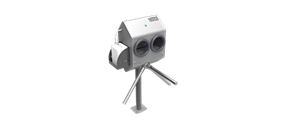
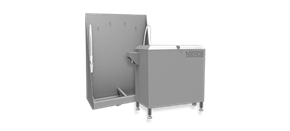




A shoes washing machine is a valuable addition that ensures proper footwear sanitation in environments where high hygiene standards are part of regulatory compliance. It helps prevent the spread of contaminants, protects expensive machinery, reduces accident risks, and enhances workplace safety.
Choosing the right boot cleaner station depends on your operating environment, daily usage requirements, and maintenance expectations. The right equipment makes footwear sanitation a seamless part of everyday operations. Facilities that invest in a robust and reliable NIEROS® industrial boot cleaner enhance product quality, reduce operating costs, strengthen regulatory compliance, and support long-term operational excellence.

Boot Cleaner Station in an Industrial Environment
A shoes washing machine is an indispensable piece of equipment in a manufacturing environment. Its implementation directly influences hygiene, efficiency, safety, and regulatory compliance throughout the operation. One of its primary functions is contamination control. Boots carry dirt, microorganisms, chemicals, and foreign particles into the facility. When personnel enter production areas wearing contaminated footwear, they can unintentionally introduce harmful contaminants into controlled environments.
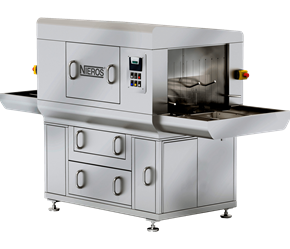
To protect personnel and maintain a hygienic workplace, a NIEROS® industrial boot cleaner can be installed at facility entry or exit points. Positioning it at the entrance establishes a critical hygiene barrier before contaminants reach production areas. The machine also protects surrounding equipment by removing particles trapped in footwear before they reach sensors, conveyor belts, or other critical components, helping reduce mechanical failures and product contamination. By establishing clearly defined hygiene zones, facilities can comply with strict sanitation standards, improve operational efficiency, and achieve meaningful long-term cost savings.
Creating a Hygiene Barrier Using an Industrial Boot Cleaner
A boot cleaner station creates a one-way or two-way hygiene barrier that helps control contamination. It guides personnel through a mandatory sanitation process before they enter controlled areas, ensuring that essential hygiene procedures become part of the normal workflow. The design also prevents personnel from bypassing required cleaning and disinfection steps.
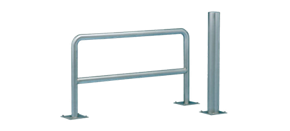
Successful hygiene barriers begin with thoughtful facility layout planning. The objective is to create a logical flow of movement from lower-hygiene zones to higher-hygiene zones. The shoes washing machine should be positioned directly within this transition area so that every employee entering the controlled zone passes through the sanitation process. The route should feel intuitive and efficient, while physical barriers, such as turnstiles, can further strengthen compliance by creating a measurable and enforceable hygiene protocol.

Cost-Benefit of Long-Term Hygiene Control
A shoes washing machine continuously supports high sanitation standards in industrial facilities. The initial investment depends on machine size, automation level, capacity, optional features, and customization requirements. Although the purchase price may be higher than that of simpler solutions, companies should evaluate the investment over the equipment's expected service life. NIEROS® engineers its products to provide reliable performance for many years when properly maintained. As a result, the investment is distributed across a long operational lifespan, lowering the overall annual cost of ownership.
When selecting the right footwear sanitation system, facilities should also evaluate operating expenses and resource consumption. Long-term ownership includes water and electricity usage, disinfecting chemicals, replacement components, and routine maintenance. These expenses should be considered part of a comprehensive hygiene strategy rather than isolated operating costs. The true value of a footwear sanitation system becomes evident when comparing its long-term benefits with the financial consequences of contamination-related incidents, production interruptions, and regulatory non-compliance.
Customisable Boot Cleaner Station for Industry-Specific Needs
An industrial boot cleaner can be customized to meet industry-specific requirements. Production and manufacturing facilities face different contamination risks, operational challenges, and regulatory obligations, making standardized solutions less effective in many situations. Customization enables more effective sanitation procedures, improves performance, supports regulatory compliance, and maximizes the long-term value of the investment.
At NIEROS®, we believe industry-specific contamination risks require industry-specific solutions. That is why we tailor our equipment to individual operational challenges and regulatory requirements. A shoes washing machine can be adapted to facilities with different layouts, production capacities, and workflow designs. It also supports the separation of low-, medium-, and high-risk hygiene zones based on contamination sensitivity. Tailoring the equipment helps improve sanitation performance, optimize resource management, and establish a more effective hygiene strategy throughout the entire facility.

Industrial Boot Cleaner DR 400 Maximizes Hygiene Efficiency
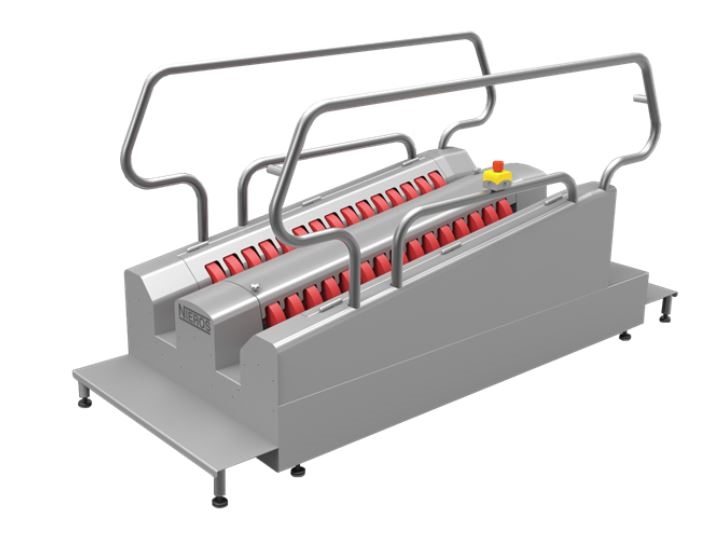
A boot cleaner station DR 400 V significantly improves cleaning consistency, washing performance, throughput, and long-term operational efficiency. This height-adjustable built-in system features a robust construction and allows subsequent on-site assembly. To provide optimized hygiene solutions for different production environments, NIEROS® developed two model variants.
The DR 400 V 70 model features vertical brushes with a height of 70 mm, while the DR 400 V 300 model uses vertical brushes that are 300 mm high. Both models include two horizontal brushes for cleaning the soles and three vertical brushes for cleaning both sides of boots. Activated by a push button, they help minimize contamination risks while complying with HACCP, IFS, and NSF standards.
A shoes washing machine minimizes cross-contamination and helps maintain a controlled production environment. Positioned at facility entrances, it removes dirt, dust, moisture, mud, organic debris, bacteria, viruses, and other harmful contaminants before they can enter hygiene-sensitive areas. By making footwear sanitation a consistent part of daily operations, facilities can better protect products, personnel, and production processes.