


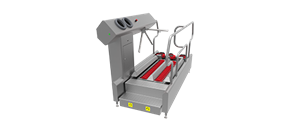


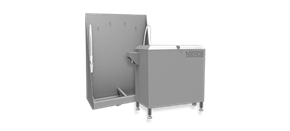

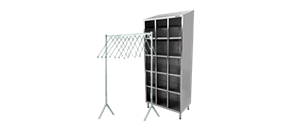
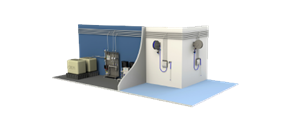
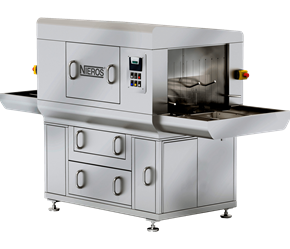




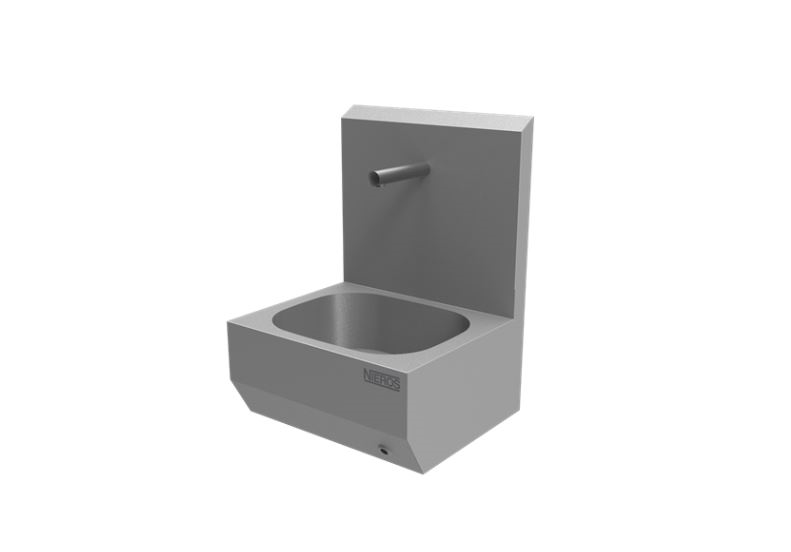
Stainless steel hand wash basin ensures that clean hands contribute to both workplace safety and operational excellence. Maintaining hygiene in industrial environments is a disciplined practice that prevents contamination and limits the spread of microorganisms. An automatic hand washing station features stainless steel basins, modular construction, and scalable designs, built to withstand continuous use and harsh conditions without compromising performance. By combining durable design with strategic placement, it reinforces adherence to hygiene protocols and supports consistent hand cleaning practices. Its placement at entry and exit points reinforces proper hand hygiene and supports contamination control where it matters most.
Industrial facilities operate under strict regulations, quality standards, and occupational health requirements. Hand cleaning solutions encourage proper hygiene behavior, reduce the risk of non-compliance, prevent cross-contamination, and provide consistent hygiene outcomes across all personnel. Implementing these systems demonstrates a company’s commitment to both employee safety and product integrity.

Knowing the Meaning of “Clean Hands” in Industrial Settings
A stainless steel hand wash basin supports “clean hands” standards in industrial settings by providing a reliable hygiene solution. While “clean hands” is a familiar concept, in industrial environments it carries much deeper significance. It is a disciplined practice combining regulatory compliance, personnel safety, and product quality. Companies with rigorous hygiene protocols recognize the role effective sanitation plays in preventing contaminants from compromising personnel safety, operations, and product quality.
In many industries, proper hand hygiene functions as a critical control measure. Hands frequently contact equipment, raw materials, and other surfaces, which means effective hygiene practices are essential to prevent contamination. Hand washing solutions standardize washing, rinsing, drying, and sanitizing procedures, enabling companies to maintain product quality, comply with regulations, and minimize the risk of contamination. Well-implemented systems ensure that hygiene is consistent and verifiable across the entire workforce.
Automatic Hand Washing Station Shapes Hygiene Culture
A stainless steel hand wash basin plays a central role in defining how hygiene is practiced, understood, and sustained in industrial environments. Industries vary in exposure risk to bacteria, viruses, and other pathogens. High-risk areas, such as food processing and pharmaceutical facilities, demand strict compliance, whereas other facilities may operate under lower risk conditions. Properly integrated sanitation stations play a crucial role in facilities where stringent hygiene standards are required. They prevent contamination while maintaining smooth personnel flow, and interruptions in production can result in reassignments, regulatory non-compliance, and financial losses.
The design, placement, and upkeep of hand cleaning solutions are essential for enforcing hygiene protocols. Poorly designed facilities can unintentionally prioritize productivity over sanitation, leading to non-compliance and contamination risks. Well-planned spaces ensure that sanitation procedures fit seamlessly into daily workflows, allowing hygiene to be consistently maintained without impeding operational efficiency.

Hand Cleaning Solutions Reduce Non-Compliance Risks
An automatic hand washing station supports a safe work environment and minimizes cross-contamination. Contaminated hands can carry allergens, microorganisms, biological residues, or other hazardous particles from one process to another. Installing advanced hygiene stations enables repeatable, verifiable, and standardized practices, ensuring compliance with strict sanitation protocols before entering sterile zones, after maintenance tasks, or when handling raw materials.
Systems equipped with a stainless steel hand wash basin support thorough and standardized sanitation, helping facilities meet strict hygiene requirements. Residues transferred by hands can compromise sterility, introduce allergens, or affect chemical formulations. Basins installed at entry and exit points help maintain standardized hand hygiene practices, ensuring critical contamination control is maintained.
An Automatic Hand Washing Station Improves Workflow and Prevents Downtime
Hand cleaning solutions create structured, reliable hygiene zones that improve workflow and reduce operational downtime. Entry points ensure that every staff member entering controlled areas meets required hygiene standards. Structured sanitation processes provide consistency, increase predictability, and reduce bottlenecks during shift changes. Automation reduces reliance on human behavior, ensuring sanitation is completed properly and minimizing errors, interruptions, and delays.
Implemented hygiene practices help minimize contamination risks and support reliable production processes. A stainless steel hand wash basin serves as the first line of defense against contaminants, safeguarding machinery, raw materials, and end products. Clean facilities benefit from equipment that operates reliably within optimal conditions for longer periods, extending service life and reducing maintenance needs.

Strategic Placement of Hand Cleaning Solutions Ensures Consistent Hygiene
An automatic hand washing station provides precision, consistency, and control in industrial hygiene practices. Strategic placement of hygiene stations with a hand washing basin ensures that both personnel and equipment meet hygiene standards at critical points, supporting consistent sanitation and compliance.
In industrial workplaces, a stainless steel hand wash basin offers more than hygiene. It provides durability, efficiency, and long-term operational reliability. Selecting systems that balance quality, functionality, and cost allows businesses to achieve cleaner, safer, and more productive processes. This approach reinforces employee health practices, ensures regulatory compliance, and maximizes long-term operational value.